Technology that moves people forward.
We build tools with and for communities that the world has overlooked — starting in South Carolina, with plans to grow everywhere it's needed.
domestic violence
food insecurity
for women's safety
"Innovation shouldn't be a zip code privilege."
Marble Ceilings For Good is a South Carolina nonprofit proving that the most important technology of this decade doesn't have to start in Silicon Valley. We build apps, platforms, and research tools that close the gap between communities and the systems meant to serve them.
Built around three commitments.
Community-First Technology
Every product we build begins with listening — to survivors, advocates, and the people closest to the problem. Not to market research. Not to investors.
Research & Advocacy
We translate community knowledge into data that moves policy, programs, and resources where they're needed most.
Capacity Building
We share our tools, methods, and learnings with other organizations — because the mission is bigger than any one project.
Where we show up.
Fund the work.
Your support builds technology that reaches survivors, strengthens research, and proves what community innovation looks like when it's done with care.
Partner with us.
If you're a funder, organization, technologist, or community member who wants to be part of something that actually matters — there's a place for you here.
We believe that innovation shouldn't be a zip code privilege. Our mission is to build technology that moves people forward, closing the gap between vulnerable communities and the systems meant to serve them.
Every product we build begins with listening — to survivors, advocates, and the people closest to the problem. We translate community knowledge into tools that provide common sense solutions for people in unfortunately common situations.
MCFG is the culmination of the lifelong influences of three people: my father (Bertram Moore, Jr), my mother (Viola Moore) and my aunt (Linda Gadson). My father advised me that my interest in cutting edge technology should not just be a way to make a living, but that I should use my acquired knowledge to do something impactful.
My mother and aunt were the front lines of service. As the Executive Director at Rural Mission Inc, my aunt provided for the many needs of Sea Island residents. Together, they taught me that serving others may not always be convenient, but you could make getting help more convenient.
"Rural Mission planted the seeds.
Marble Ceilings For Good is what has sprouted."
Rural Mission closed in 2019, but what it stood for didn't die. It lives on in seeing the humanity of all people and that people on the margins deserve much more than good intentions. The baton is in our hands now. We intend to run with it.
MCFG is a trusted ecosystem of tools that promote safety, care, and support. Each product we build addresses at least one of those functions and together they address the needs of vulnerable communities whose crises often occur consecutively and/or simultaneously.
Bastet
Provides up-to-date information for domestic violence victims (hotlines, emergency shelters, and other relevant resources).
Project Prodigy
Features a patient-facing portal for the Sickle Cell Anemia community to access important data about and guidance on managing the disease.
Seshat
Navigates through benefits systems for disadvantaged populations in South Carolina making complex programs more manageable.
The people who said yes first.
Our board brings together expertise in public health, community organizing, technology, and advocacy — with roots in the communities we serve. Credibility and community aren't opposites here. They're the same thing.
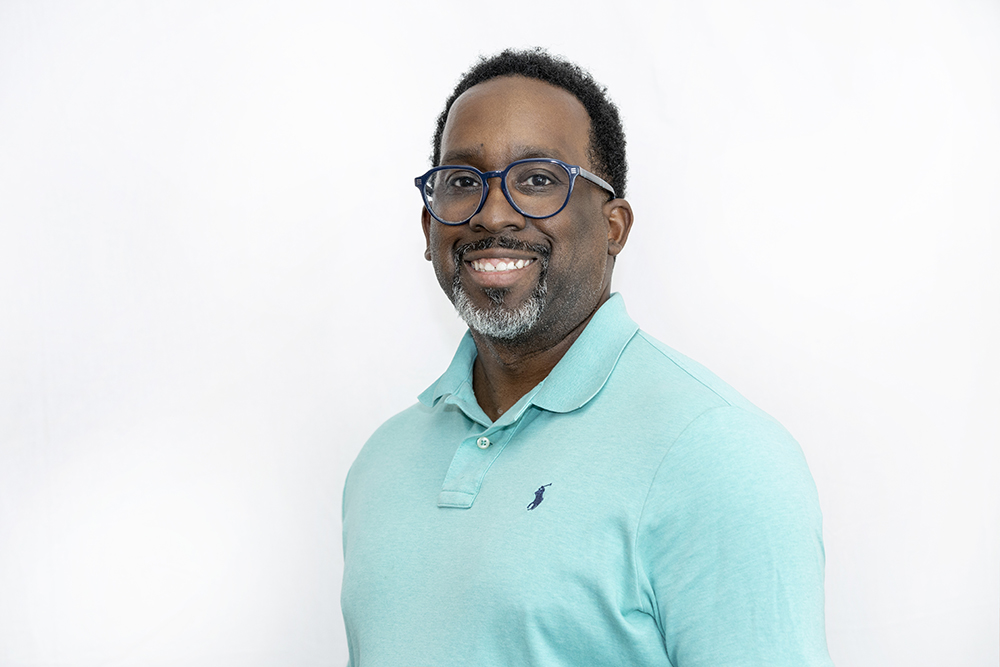
Bertram Moore III is a technologist who builds for people the system overlooks. After nearly 20 years at a Fortune 50 company, he's turning his focus to communities that don't typically benefit from innovation. His approach is simple: start with "How can I help?" and work from there.
Marble Ceilings For Good came from his desire to help victims of domestic violence — but he knew he couldn't do it alone. He built his board with people who have strong ideas, understand the mission, and are comfortable enough to rein him in when needed. That's why Dr. Scott and Yaunna Stewart were some of his first calls. While domestic violence is the start, projects addressing food security and supporting sickle cell patients are also in the works.
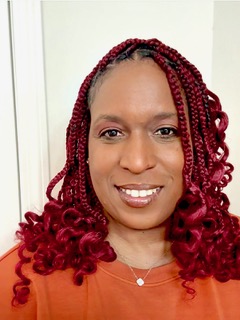
Dr. Scott holds a Ph.D. in Developmental Psychology, specializing in child and adolescent development. Her early experiences with serving children and their families has led to her lifelong support of efforts that improve their well-being. As Board Chair, she provides governance oversight and strategic direction — ensuring that MCFG's work remains grounded in both rigorous practice and community trust. She was among the first to believe in this organization's potential.
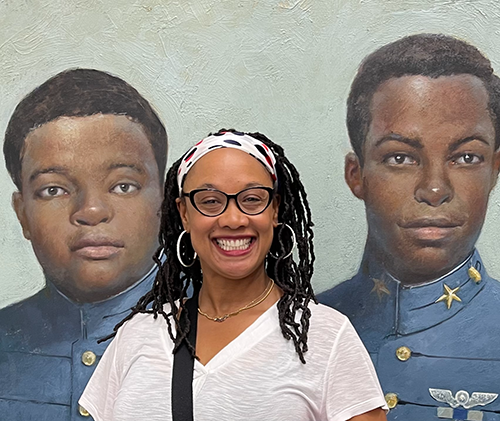
Yaunna Stewart is a committed nonprofit board member and passionate advocate for equity and community impact. A 2002 graduate of The Citadel she brings strong leadership and discipline to her service. As a Certified Occupational Therapy Assistant (COTA), she is dedicated to improving lives through compassionate care.
Originally from Florence, South Carolina, Yaunna is a proud wife of 16 years and a devoted boy mom. Her life experiences fuel her advocacy for women’s rights—especially protection, safety, and ensuring every woman has a voice. She stands firmly for justice, empowerment, and meaningful change.
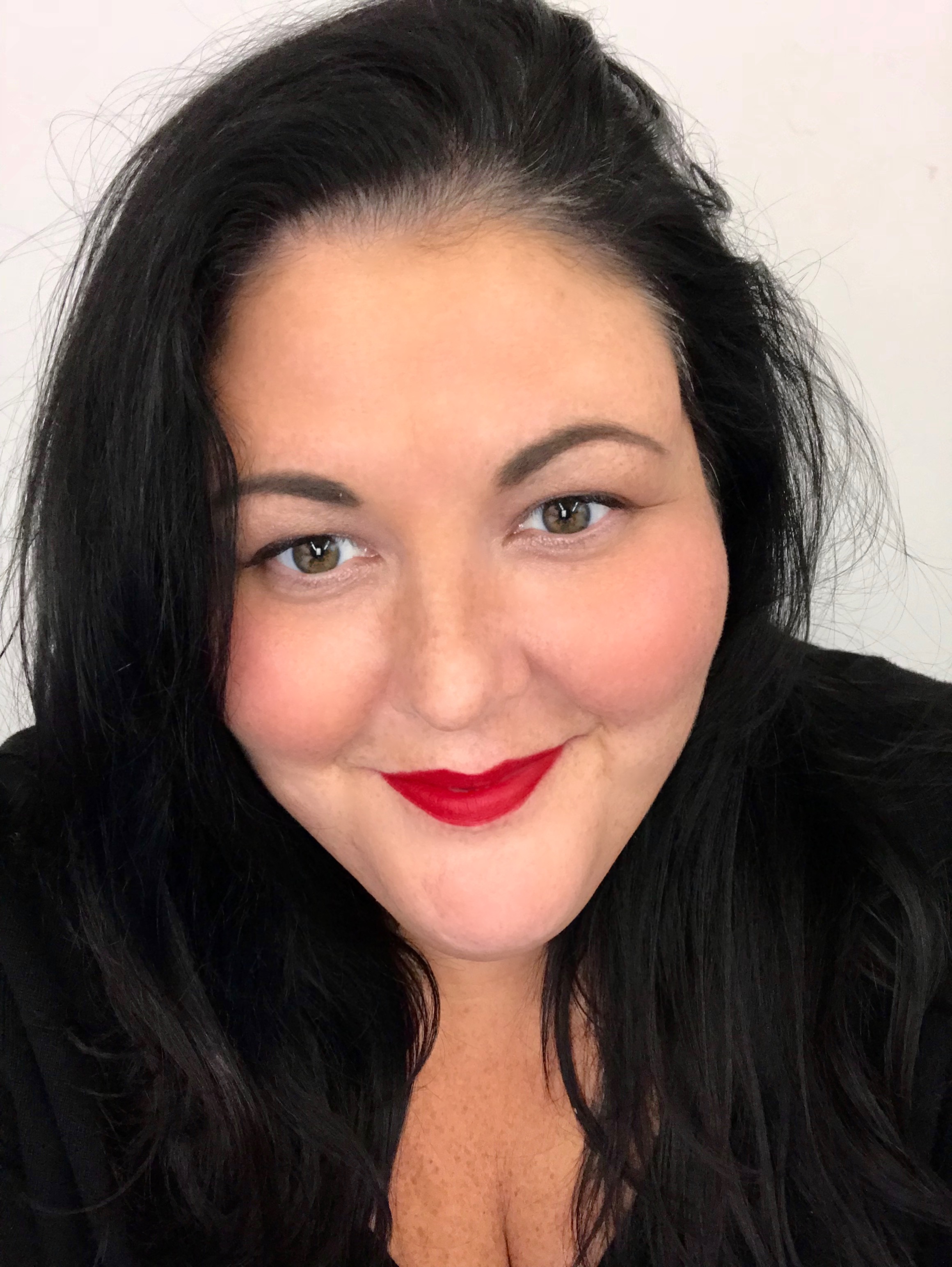
We're actively recruiting a Treasurer with a background in finance, accounting, or nonprofit financial management. If you're passionate about community-centered work and want to help build something meaningful from the ground up, we'd love to hear from you.
Join the board.
We're looking for a Treasurer and additional directors who bring both expertise and heart. If you believe communities deserve better tools, let's talk.
Support the mission.
Whether through funding, partnership, or volunteer expertise — there's a place for you in this work.
Voices of Impact.
Coming Soon
Documentaries · Events · Lab Ledger
Bastet — Discreet DV Safety & Resource Navigation Tool
What Was the Problem?
Domestic violence survivors in crisis need immediate access to shelter and support resources. Existing tools are either too complex to navigate under stress, require account creation, or leave identifiable traces on shared or monitored devices. The brief was clear: build something that works in seconds, leaves no trace, and feels nothing like a traditional help app.
Victims experiencing domestic violence need a way to find safe shelters and support resources immediately, without exposing themselves to risk or navigating complex existing systems.
Design Principles Locked at Outset
Trust Is the Product — every decision evaluated against whether it builds or breaks user trust
Privacy Is Table Stakes — no account, no history, no stored location, no trace
Discretion Over Visibility — app icon designed to pass as a casual game
Navigation Tool Only — no chat, no push notifications, no community features
Inspiration & Context
Bastet is named for the Egyptian goddess Bastet — protector of women, guardian of homes, and watchful presence. The name frames the app's core identity: quiet protection, not crisis branding.
The app was designed to feel like nothing it actually is. On a home screen it reads as an indie game. Inside the app it reads as a composed, private tool. This tension between disguise and function informed every design and engineering decision made across four milestones.
What Makes It Different
• No account required — ever
• Location used once, on-device only, never transmitted or stored
• Quick Exit closes the app and clears it from recent apps in under 120ms
• App icon designed as a pixel/16-bit Bastet mark — passes the glance test as a game
• 22 verified South Carolina shelters with callForAddress pattern for confidential locations
Development Process
The project was structured across four milestones, each with a defined scope and completion criteria. Every milestone was closed before the next began — no features shipped without the safety baseline in place.
Milestone 1 — Safety Baseline
The non-negotiables. Nothing ships without these.
• Quick Exit — closes app, clears from recents, opens neutral destination (weather.com)
• Privacy cover screen — activates on app background, no content flash on restore
• Location permission flow — rationale shown, graceful denial handled
• No account, no login, no stored identity
Milestone 2 — Data Hardening
Real verified data. No test fixtures in production.
• Schema v2.1 — 22 verified SC shelters, flat JSON, spec-compliant
• callForAddress pattern — confidential shelters never show directions button
• Runtime schema validator — invalid entries filtered on startup, logged in dev
• Haversine distance formula — deterministic, no NaN or fallback edge cases
• Graceful handling of GPS timeout, permission denied, services off
Milestone 3 — UX Design System
Visual identity locked. Zero hardcoded values remaining.
• Design tokens — theme.ts with colors, spacing, radius, shadows, typography
• Playfair Display + DM Sans type pairing
• Eggplant (#614051) as primary brand color throughout
• Four UI directions explored with UI/UX specialist — current direction confirmed
• Hero copy: "We believe you. Let us help you get the support you need. No judgement."
Milestone 4 — Polish & Accessibility
Production-ready. Both platforms. All users.
• WCAG AA audit — 5 issues found and resolved across all 4 screens
• Onboarding flow — Privacy Promise + mandatory Quick Exit tutorial
• Android MaterialIcons swap — SF Symbols have no Android fallback
• Settings screen — replay onboarding, privacy statement, app version
• SafeAreaView tested on API 36 and API 30 — passing
Where Things Stand
Bastet is currently in Beta. All four development milestones are complete. The app is production-ready on iOS and Android pending App Store submission.
Technical
• React Native / Expo — cross-platform iOS and Android
• Zero third-party analytics, tracking SDKs, or advertising libraries
• 22 verified SC shelter entries — schema-validated on every launch
• WCAG AA compliant across all screens
• Quick Exit tested across all screens and interaction states
Product
• 4 design principles locked and reflected consistently across every screen
• Onboarding flow educates users on privacy and Quick Exit without friction
• callForAddress pattern protects confidential shelter locations while keeping them accessible
• Beta test plan filed — Tier 1 advocate pipeline active (3 DV advocates, 2 familiar contacts)
Status
• Development: Complete — Beta
• Beta: Tier 1 advocate outreach in progress
• App Store submission: Pending beta feedback and icon asset delivery
• National expansion: Planned for v2.0+ via API layer (thehotline.org / 211.org)